
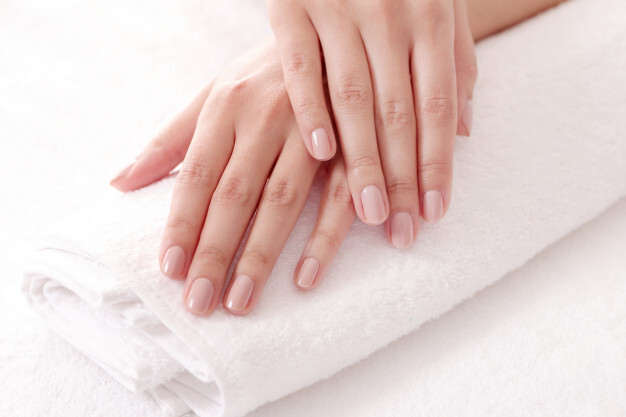
Take a minute and observe your nails. Are they strong and smooth? OR you could see some discoloration, unevenness, ridges, or dents? Well, all this indicates a lot about your health. Most of you are not even aware of it. Don’t worry. Scroll down to find out.
The hard protein layer made up of keratin acts as a strong shield in protecting the underlying soft tissues of fingers and nails. Be aware of your nail health and give it proper care.
How do you know your nails are healthy?
If your nails are smooth with uniform color; if there are no grooves or ridges, no unnecessary spotting, and are in proper shape. Then consider yourself blessed, your nails are healthy.
Several such conditions could be prevented through proper nail care. But if they still prevail, it means it requires immediate attention.
Nail Condition - Normal or Not
Sometimes your nails may have spots as the result of some injury. These will ultimately grow out with the nail. They are harmless. As you grow old, your nails become more brittle and develop vertical ridges. There is nothing to worry about. It’s pretty normal.
But not every condition is normal. You should be careful and consult a doctor in case:-
• Your nail color changes, like if you notice any discoloration or a dark streak under your nail.
• If there is bleeding around the nails.
• Some kind of pain or swelling occurs around the nail.
• The shape of the nail is distorting.
• Abnormal thickening or thinning of your nail.
• The nail is detached from the skin.
Various nail abnormalities
Numbers of different conditions are responsible for the nail deformity as listed below:-
1. Beau’s line
Firstly, what Beau’s lines are?
The grooves horizontally running across the nail plate are referred to as the beau’s line.
How are these caused?
These appear when nail plate growth is temporarily disrupted; the result of repetitive local injury to the matrix. This could be because of the repetitive manicure, even picking the nails or cuticles repeatedly.
People who spend a lot of time at high altitude or deep saturation dives are likely to have beau’s lines. Also, these are caused by diseases capable of affecting the entire body.
If only a single nail has beau’s lines, it might be due to local injury to the nail matrix. But if it happens in multiple nails then this could be a matter of your health concern. Shorter grooves are the result of short-lived issues while a long groove corresponds to a more sustained illness.
Beau’s lines could be the sign of:-
• Measles: It is a highly contagious viral infection of the respiratory system. A person suffers from a sore throat, inflamed eyes, running nose, cough, and small rashes.
• Mumps: The infection caused by a virus in which a person experiences puffy cheeks, swollen jaw, tiredness, muscle aches, and fever.
• Pneumonia: The infection causing inflammation in the airspaces in the lungs. This happens because of bacterial or viral infections. Person experience shortness of breath, fever, cough, and fatigue
• Scarlet fever: The bacterial illness in which a person has a red, bumpy rash all over the body, and sore throat.
• Uncontrolled diabetes: This means your blood sugar level is too high. You may experience symptoms such as frequently feeling thirsty, peeing a lot, leg cramps, problems with large blood vessels, and heart diseases.
• Zinc deficiency: Low level of zinc in the body may cause hair loss, weight loss, skin sores, loss of appetite, sore eyes, or diarrhea.
• Malaria: The condition in which a person suffers from very high fever along with muscle pain, diarrhea, nausea, and headache. It is caused by an infected Anopheles mosquito bite.
• Typhoid: High fever, vomiting, and diarrhea due to bacterial infection.
• Kawasaki disease: There is swelling and redness in the blood vessels throughout the body. The patient usually has a lasting fever.
• Syphilis: This is a sexually transmitted bacterial infection. Initial symptoms include painless sores on the genitals or inside the mouth. But at higher stage headaches, swollen lymph nodes, fatigue, fever, weight loss, hair loss, and joint ache is experienced. More severe symptoms at the last stage include blindness, memory loss, heart diseases, and destruction of bones.
• Various medications such as:-
a. Retinoids: Forms of vitamin A used for a variety of reasons. Some of which is the treatment of acne, skin wrinkles, skin cancer.
b. Chemotherapeutic agents: These are the drugs used for the treatment of cancer.
c. Dapsone: Used for the treatment of a certain type of skin disorder.
d. Azathioprine: It reduces joint swelling, tiredness, pain in a person having arthritis. Used in kidney transplant to prevent rejection.
e. Itraconazole: This is an antifungal medication.
f. Metoprolol: Medication for high blood pressure and chest pain.
g. Octreotide: To decrease the number of growth hormones.
2. Clubbing
What is clubbing?
Clubbing is a condition in which the nails thicken, widen, and appears as an upside-down spoon. The nail bed softens and the nail is no more firmly attached.
Clubbing can develop within weeks and similarly can go away when the behind cause is treated.
Reason behind clubbing
This is mainly due to the lack of oxygen in the blood.
Clubbing could be the sign of:-
• Lung cancer: Tumor starting from the lungs.
• AIDS: This Acquired immunodeficiency syndrome is caused by HIV. This virus attacks the immune system. The body starts losing its ability to protect itself.
• Pulmonary fibrosis: In this condition, the lung tissues got damaged and scarred. The person starts having shortness of breath, dry cough, and diminished exercise tolerance.
• Asbestosis: Exposure to asbestos fiber leads to inflammation of the lungs. This is known as asbestosis. Symptoms of asbestosis include extreme tiredness, pain in the chest and shoulders, shortness of breath, and wheezing.
• Liver cirrhosis: In this condition, the liver does not work properly. A person becomes weak, tired, his skin color turns yellow, has swelling in the lower legs, or develops spider-like blood vessels on the skin.
• Cardiovascular diseases: Various heart-related conditions. Those present from birth, infection in the lining of heart valves, or heart chamber.
• Inflammation of intestines
• Hyperthyroidism: The excess secretion of thyroxin by the thyroid gland. A person experiences anxiety, nervousness, and irregular heartbeat.
3. Spooning
What is the meaning of spooning?
Spooning or Koilonychia refers to the spoon-like appearance of the nail. The center part of the nail seems to be scooped out. This could be seen in some infants, but it eventually disappears as they age. This might happen in a single nail or all of them.
What causes spooning in nails?
• Anemia: The iron deficiency in a person causes a decrease in the level of red blood cells. This further causes a change in the nail matrix due to blood flow abnormalities.
• Malnutrition: When the diet intake of the person is not able to fulfill the nutritional needs of the body, it is termed malnutrition.
• Vitamin-B deficiency: Symptoms of this deficiency include weakness, loss of appetite, soreness of the mouth and tongue, weight loss, and fatigue.
• Leopard syndrome: It is an inherited disease that includes abnormalities of the heart, skin, or genital.
• Heart disease: Such as abnormal heart rate, weakening of heart muscles, heart infections, or the defects present from birth. Such patients experience dizziness, chest pain, numbness, or shortness of breath.
• Thyroid disorder: Hypothyroidism happens due to the under activeness of the thyroid gland to produce thyroxin. This patient suffers from muscle pain, weakness, joint pain, puffy face, cold intolerance, and fatigue.
• Kwashiorkor: The deficiency of proteins in diet is the cause of this condition. Signs include change in skin color, decrease in muscle mass, fatigue, diarrhea, swelling in feet, and ankles.
• Nail-Patella syndrome: A rare genetic disease leading to poorly developed hip-bone, kneecaps, elbows, and nails.
• Diabetes: The high sugar level in blood damages the kidney, nerves, eyes, and other organs. The general symptoms include frequent urination, weight loss, increased thirst, increased hunger, and extreme fatigue.
• Lupus: In this condition, the whole body suffers from inflammation. The kidneys, heart, lungs, skin, joints are involved. The patient experiences high fever, body aches, shortness of breath, memory loss, dry eyes, and dry mouth.
• Psoriasis: The rapid build-up of skin cells leads to the scaling on the skin. An itchy, red scaly patch on the lower back, knees, elbows, and scalp could appear.
• Hemochromatosis: The excessive accumulation of iron in the body. Abdominal pain, joint pain, fatigue, and weakness are some signs of hemochromatosis.
• Raynaud's disease: The discoloration of fingers and toes due to the restricted or interrupted blood flow. These areas get numb in cold.
4. Leukonychia
What do you mean by leukonychia?
Small white dots or lines appear on the nails, this condition is called leukonychia. It is not a matter of concern for healthy individuals.
Some might have large ones and for others, it might be a minute mark on one or all fingernails. This is not a serious medical condition. It happens when the nail bed is injured.
What could be the possible reasons behind it?
• Zinc deficiency: The decrease in zinc level in the body leads to open sores on the skin, lack of alertness, wounds are not able to heal, loss of appetite, and weight loss.
• Calcium deficiency: Calcium is an essential component for bones and teeth. Its deficiency could make the bones weak which means even a small injury could cause a fracture. Other symptoms include weakness, muscle cramps, confusion, or memory loss.
• Nail injury: Hitting or striking your nail could lead to these white marks. Also, frequent manicures could damage the nail bed.
• Allergic reactions: Allergy of the gel or acrylic nails may badly affect the nails. The damage causes white spots. This could even be due to an allergy to nail polishes.
• Fungal infections: The overgrowth of fungi under, in, or on the nail. This might lead to permanent loss or discoloration of the infected nail.
5. Mees’ lines
Transverse white lines across the nail are the Mees’ lines.
These could be because of:-
• Arsenic poisoning: The deposition of arsenic in Keratin rich tissues.
• Liver cirrhosis: In this condition, the liver does not work properly. A person becomes weak, tired, his skin color turns yellow, has swelling in the lower legs, or develops spider-like blood vessels on the skin.
• Chronic renal disease: The gradual decrease in kidney functioning. The person has loss of appetite, confusion, leg swelling, vomiting, and tiredness.
• Leprosy: Infectious disease-causing nerve damage in the skin areas around the body.
• Tuberculosis: It is a contagious lung infection. If not treated could even spread to other parts of the body. The patient experiences chills, night sweat, loss of appetite, and long-lasting cough.
• Antimony poisoning: This happens either due to some therapy or long exposure to antimony. It causes respiratory irritation, watery diarrhea, vomiting, and nausea.
• Chemotherapeutic drugs: These are the drugs used for the treatment of cancer.
5. Onycholysis
What basically is onycholysis?
In this, the nail separates from the underlying skin and is not able to reattach itself with the nail bed. This gives a white, yellow, or green discoloration. It starts from the nail-tip. This issue lasts for several months. It only goes away when the new nail has replaced it.
In some cases, a thick, layer of skin is accumulated beneath the nail. Hence, the nail surface is deformed. Onycholysis is mostly seen in adult females. But anyone could get it irrespective of their age or sex.
What are the possible causes?
• Psoriasis: The rapid build-up of skin cells leads to the scaling on the skin. An itchy, red scaly patch on the lower back, knees, elbows, and scalp could appear.
• Dermatitis: This is skin inflammation. The skin gets itchy and dry. Swelling, rashes, and redness are some other signs.
• Chemotherapy: Therapy for the treatment of cancer.
• Excessive manicure: The tools used in this are pushed beneath to remove dirt or smoothen the nail could cause onycholysis.
• Raynaud’s syndrome: The discoloration of fingers and toes due to the restricted or interrupted blood flow. These areas get numb in cold.
• Fungal infection: The overgrowth of fungi under, in, or on the nail. This might lead to permanent loss or discoloration of the infected nail. Because of fungal infections, the tissues underneath the nail plate thicken causing the edge of nails to lift.
7. Pitting
What is pitting?
Indents or depression in the nails is what we call pitting. These might appear to be shallow or deep. The abnormal growth or discoloration of nails may occur along with it. There could be a single pit or several pits on a nail.
Various factors which could cause pitting include:
• Pemphigus: A rare autoimmune disease. In this, the skin suffers from blisters.
• Eczema: This is a kind of skin inflammation. Skin becomes red, cracked, dry, and itchy.
• Reiter’s syndrome: An autoimmune disease in which a person suffers from arthritis, inflammation of the eyes, urinary system, or genitals.
• Incontinentia pigmenti: This is a genital disorder. It affects the central nervous system, hair, skin, nails, and teeth.
• Osteoarthritis: The degeneration of cartilages is named osteoarthritis. It causes stiffness in the thumb, knee, and hip joint.
• Sarcoidosis: The grouping of inflammatory cells mostly in the lungs or lymph nodes. It can affect any organ. Our immune system when responding to unknown agents such as certain chemicals leads to the collection of such inflammatory cells.
• Alopecia areata: This is the condition that causes patchy hair loss.
8. Terry’s nails
How to identify terry’s nails?
Terry’s nails could be identified as completely white nails with a dark band on the tip. The increase in connective tissue and a decrease in vascularity of the nail bed is the reason behind it. Doctors are of the view that the white appearance of nails is due to lesser blood vessels and more tissues than normal in the nail bed.
If you have terry’s nails, you might have:
• Liver cirrhosis: In this condition, the liver does not work properly. A person becomes weak, tired, his skin color turns yellow, has swelling in the lower legs, or develops spider-like blood vessels on the skin.
• Diabetes mellitus: The high sugar level in blood damages the kidney, nerves, eyes, and other organs. The general symptoms include frequent urination, weight loss, increased thirst, increased hunger, and extreme fatigue.
• Aging
• Congestive heart failure: The heart muscle does not pump the blood effectively. Hence is not able to satisfy the needs of the body.
• Malnutrition: When the nutritional needs of the body are not fulfilled, it is termed malnutrition.
• Hyperthyroidism: Hypothyroidism happens due to the under activeness of the thyroid gland to produce thyroxin. This patient suffers from muscle pain, weakness, joint pain, puffy face, cold intolerance, and fatigue.
9. Yellow nail syndrome
An extremely rare disorder in which nail thickens with yellow to yellow-green discoloration. The side-to-side curvature of the nail widens, the nail gets detached from the nail bed and the white crescent is reduced. The nail gets excessively curved and the growth stops. This usually affects older people.
Yellow nail syndrome is because of:
• Lymphedema: The accumulation of lymph causes lymphedema. The main symptoms include swelling in the arms or legs.
• Bronchiectasis: The condition in which the airway is permanently widened and damaged. This could further cause pneumonia in the lungs.
• Rheumatoid arthritis: In this condition, the patient suffers from swelling, pain, and inflammation in joints.
• Immunodeficiencies: The body is not able to defend itself from outside agents. Symptoms include nausea, fatigue, inflammation of internal organs, and blood disorders.
How to nourish your nails?
Taking good care of your nails will help prevent many abnormalities.
Tips:-
• Avoid nail biting.
• Cut your nails regularly after the shower.
• Avoid the use of pull on hangnails.
• Keep your nails short.
• Use lotion to keep nail bed moist.
• Avoid excess use of nail paint and nail paint remover.
• Prefer a properly certified nail salon.
Before making any decision of your own you should consult the doctor. Sometimes simple care is required to get the desired nail appearance.
Artificial nails
First of all, how we define artificial nails?
The extensions we use on our nails to enhance their appearance. There are several other names for these like fake nails, nail wraps, nail tips, gel nails, and acrylic nails.
• Nail wrap: These are nail-shaped pieces made of a material such as silk fabric, fiberglass. Its main purpose is to strengthen the nail. This does not provide a long length. Most used to strengthen the nails. A layer of resin or glue is used to fit it on the nail plate. This could even be used to treat broken nails.
• Nail tip: As the name itself says tip, these are to lengthen the nails. Once attached to the natural nail it lasts for about a week and a half.
• Acrylic nails: The desired nail shape is given to the paste made with a combination of powdered polymer and liquid monomer. It can provide a good amount of length to your nails.
• Gel nails: The gel-based polish is applied to the nail which is hardened or cured with ultraviolet rays or led. In short, gel nails are the better version of regular acrylics. They are more durable and friendlier towards natural nails. The process does not involve any heavy filling, strong odor, or harsh chemicals. Do not interfere much with your daily chores. Can be easily removed by simply soaking them in acetone. Above all, are long-lasting.
Is there any negative impact of artificial nails on the natural one?
Well, the answer is YES. They are usually not problematic but every coin has two sides. Showing off long, beautiful nails could sometimes turn the tables on you.
For acrylic tips, the removal process includes drilling, soaking, and filling. This is not good for your natural nails. If done with carelessness could even cause permanent nail damage? When used for a long period of time could damage the nail bed and hinder the nail growth.
Sometimes a gap develops between the artificial and natural nail. This provides a warm, flourishing ground for fungal infection. If the nails are too long or rigid or are applied without proper sanitary tools could also cause nail infections. Swelling, redness, and pus in or around the nails are the commonly faced issues.
What could be done to reduce such risk?
Take care of certain things before going to any nail salon.
• Make sure the salon holds a current state license.
• Technicians working there are licensed by the state board.
• All the tools to be used are properly sanitized before your treatment.
• The nail technician washes his/her hand before attending to you.
• Get your own nail file or ask for the new one.
• Visit after two or three weeks for proper maintenance.
If you are applying these false nails by yourself,
• Make sure to read the instructions on the pack carefully.
• Avoid skin contact with the chemicals you are using.
• Sit in a well-ventilated area while applying.
Irrespective of the type of artificial extensions you are using. Always let your natural nails breathe. Keeping false nails for too long is not good for the natural ones. You should remove these fashion accessories every two to three months.
Nail-biting risks
We come across many people who have the habit of biting their nails. Some researchers say that it promotes nail growth. However, it is not risk-free.
Biting your nails may lead to various problems such as:
• Infection in your nails as it exposes the area underneath to the germs.
• Putting nails in the mouth pass the micro-organisms present on your fingers in the mouth. This further leads to various infections which might cause the common cold and serious stomach issues.
• It is bad for your teeth.
• This might lead to hangnails or ingrowth nails
How to trim thickened toenails?
Your toenails thicken because of multiple reasons. Either because of some infection, tight-fitting shoes, injury, or some skin condition. You must see the doctor in case you experience pain in the thickened toenails.
• Soak your feet in warm water for about 10 minutes to soften them.
• Take a small clip. Start making small cuts from the corner.
• Cut straight across. This will reduce your chance of any ingrowth toenail.
• Take this straight cut all the way across your toenail.